このアイコンがある写真をクリックすると伝統工法の詳細が確認できます。
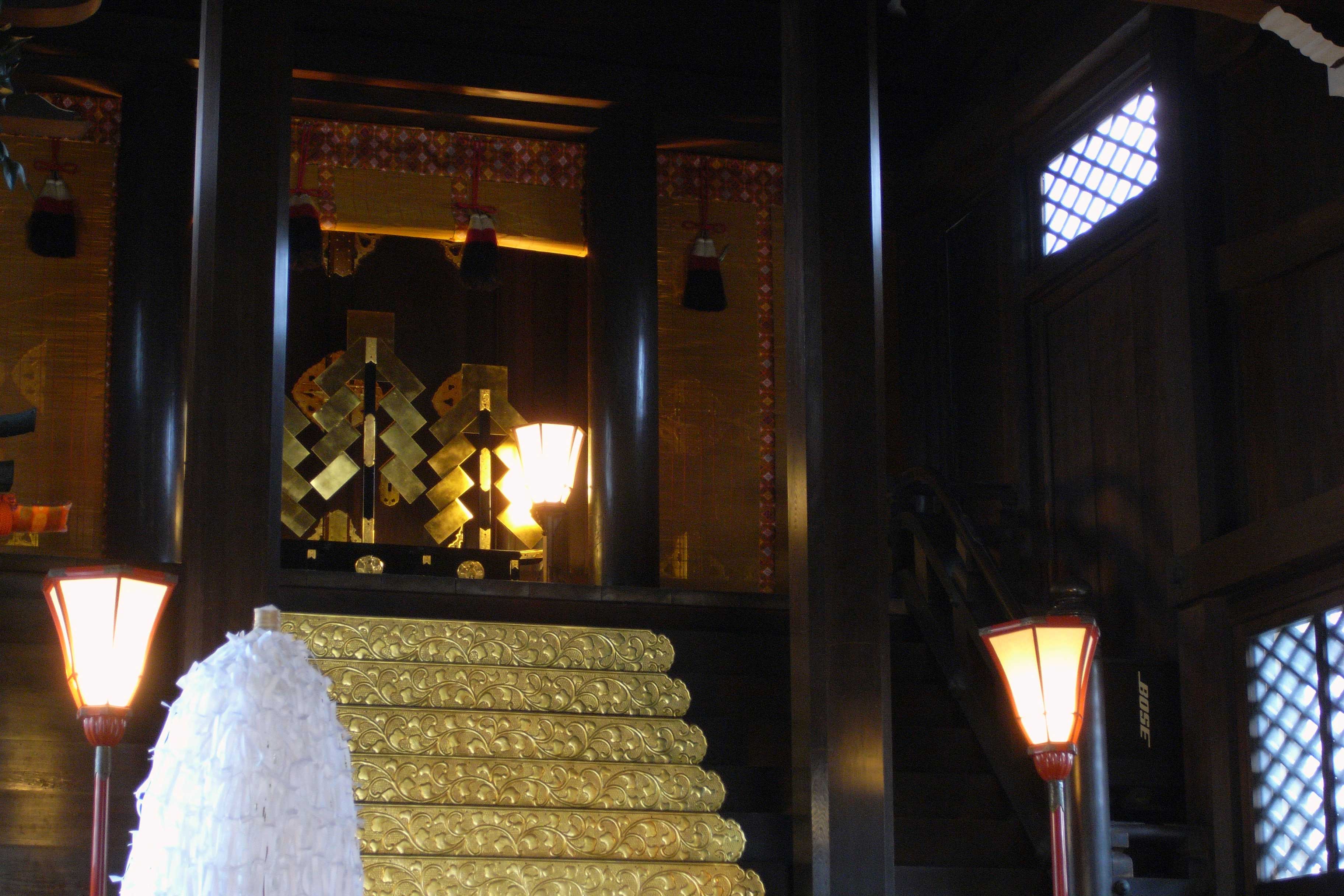
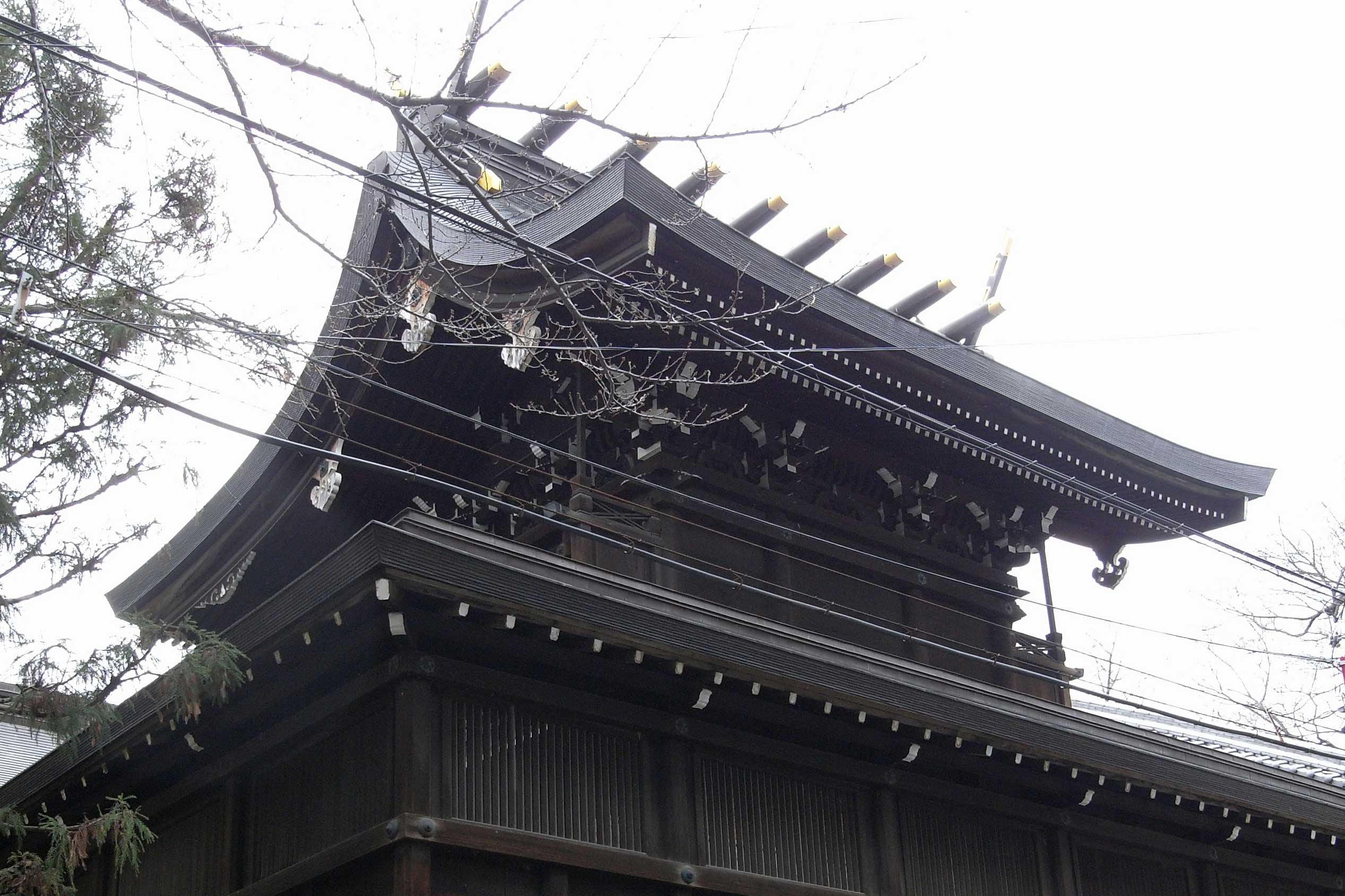
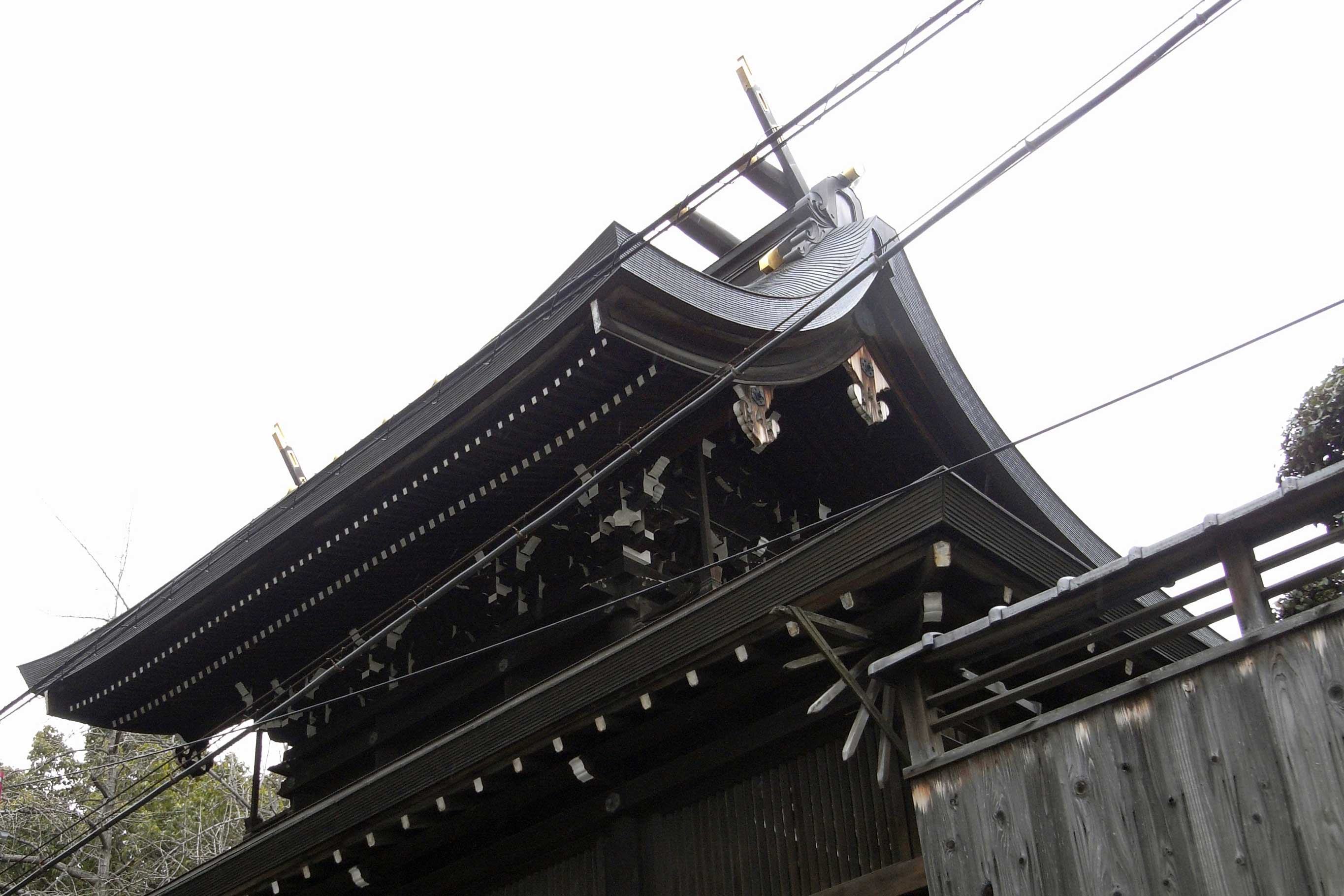
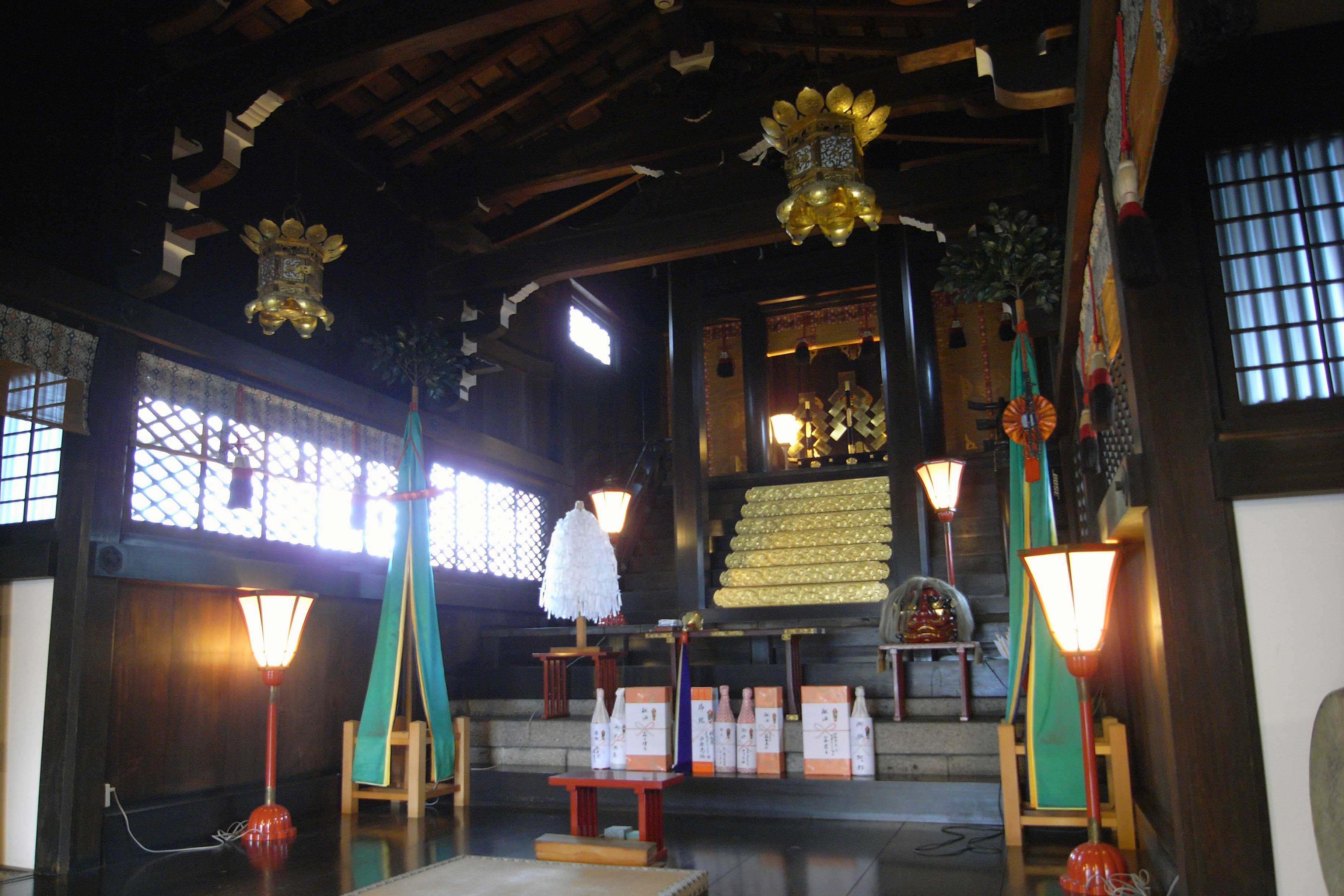
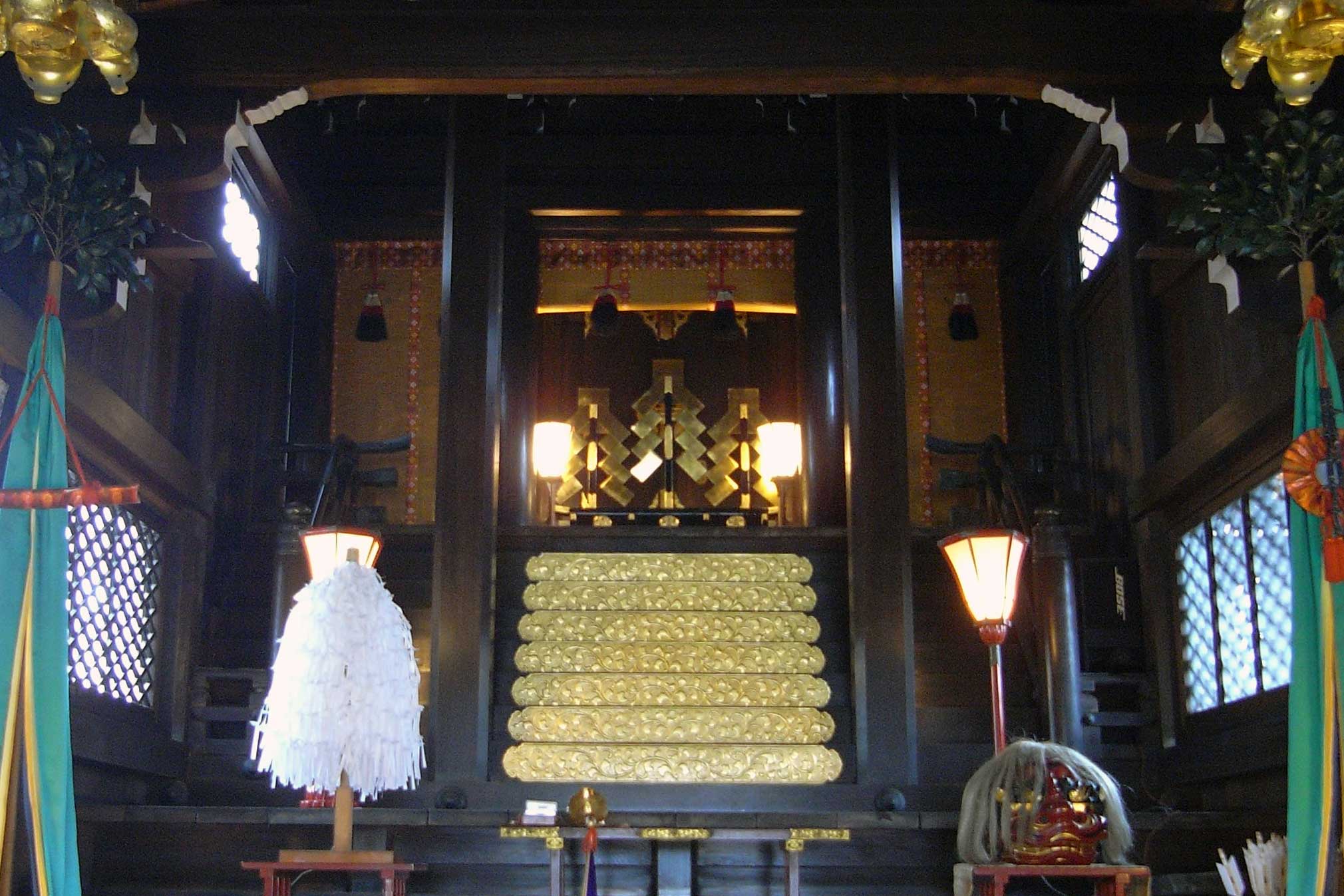
Nom Bâtiment principal(Honden) du sanctuaire Miyukimori Tenjingu Adresse 3-10-5 Momodani, Ikuno-Ku, Osaka Téléphone/fax 06-6731-2816(TEL)/06-6731-2816(FAX) HP http://miyukimori.net/ E-mail Périod architecturale 1930 Type de bâtiment Architecture religieuse Structure Flat wooden structure, copper roofing Déscription générale A single story wooden shrine architecture. Located at the southwest corner of Miyuki-Dori Shopping Street in Momodani, Ikuno-Ku. It consists of Sangensha-Nagare-Zukuri Style (the distance between columns in the width direction is three ken or 5.4546 meters). The hafu (bargeboard) on the front side of the roof are a Chidori Hafu (dormer and plover gable) and a Noki Kara Hafu (undulating gable). Degumi (one-stepped bracket complex) is applied for the Moya (the central space under the main roof) and Mitsuto-Kumi (incorporate complexes) for the eaves. The Buddha moldings are subjected to the main bracket arms in both Moya and the eaves. The shapes of Kaerumata (curved wooden supports on top of the main beams) and Kibana (architrave) are ancient rite. The floor level is kept high to be able to view over the Sukibei (see-through fence). It is said that its designer is Tanejiro Yoshida from Nara.
Type de bien culturel Bien culturel matériel national Lien vers les événements Ouvert au public Remarques