
このアイコンがある写真をクリックすると伝統工法の詳細が確認できます。
Kuboso Memorial Museum of Arts, Izum...
-
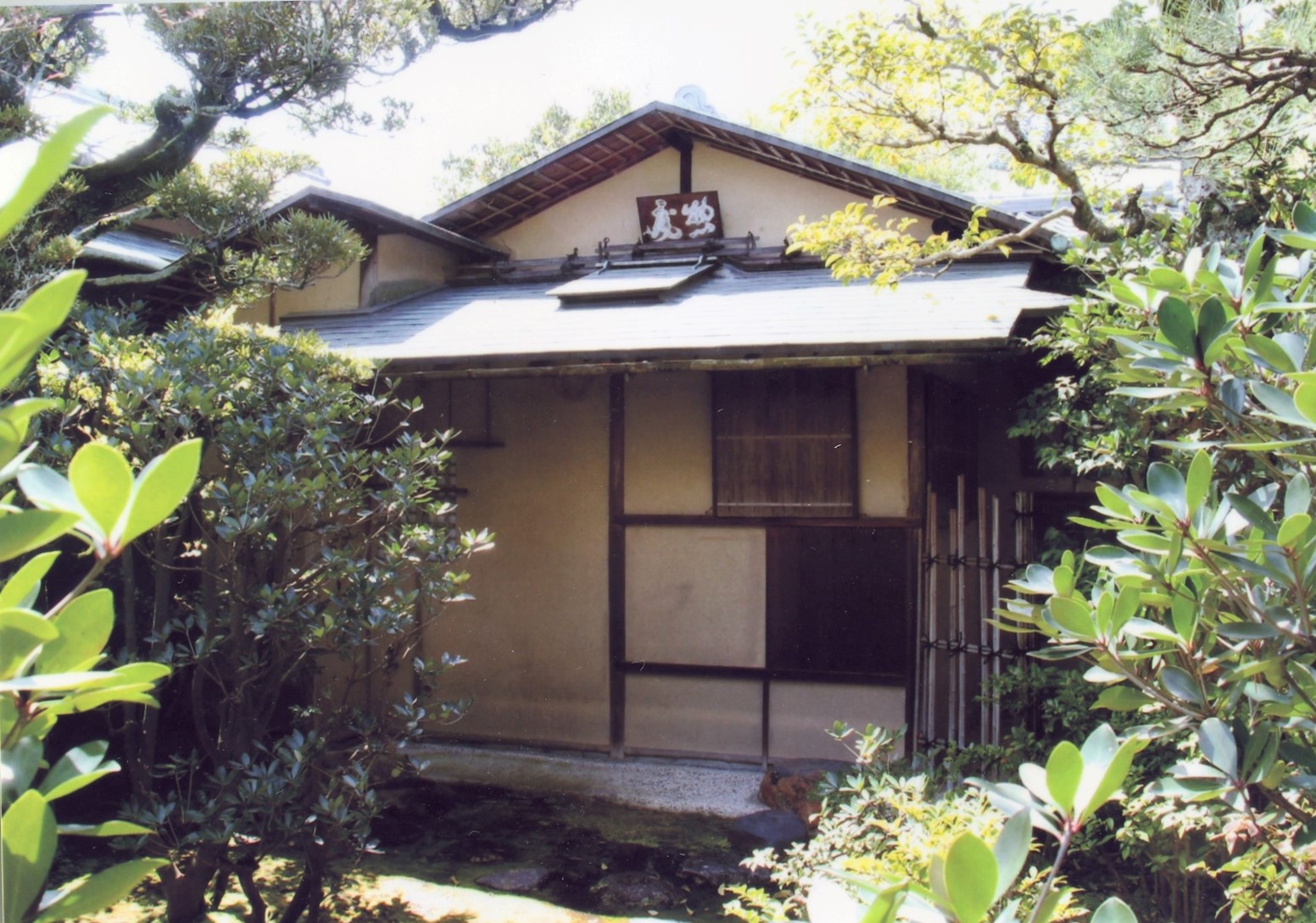
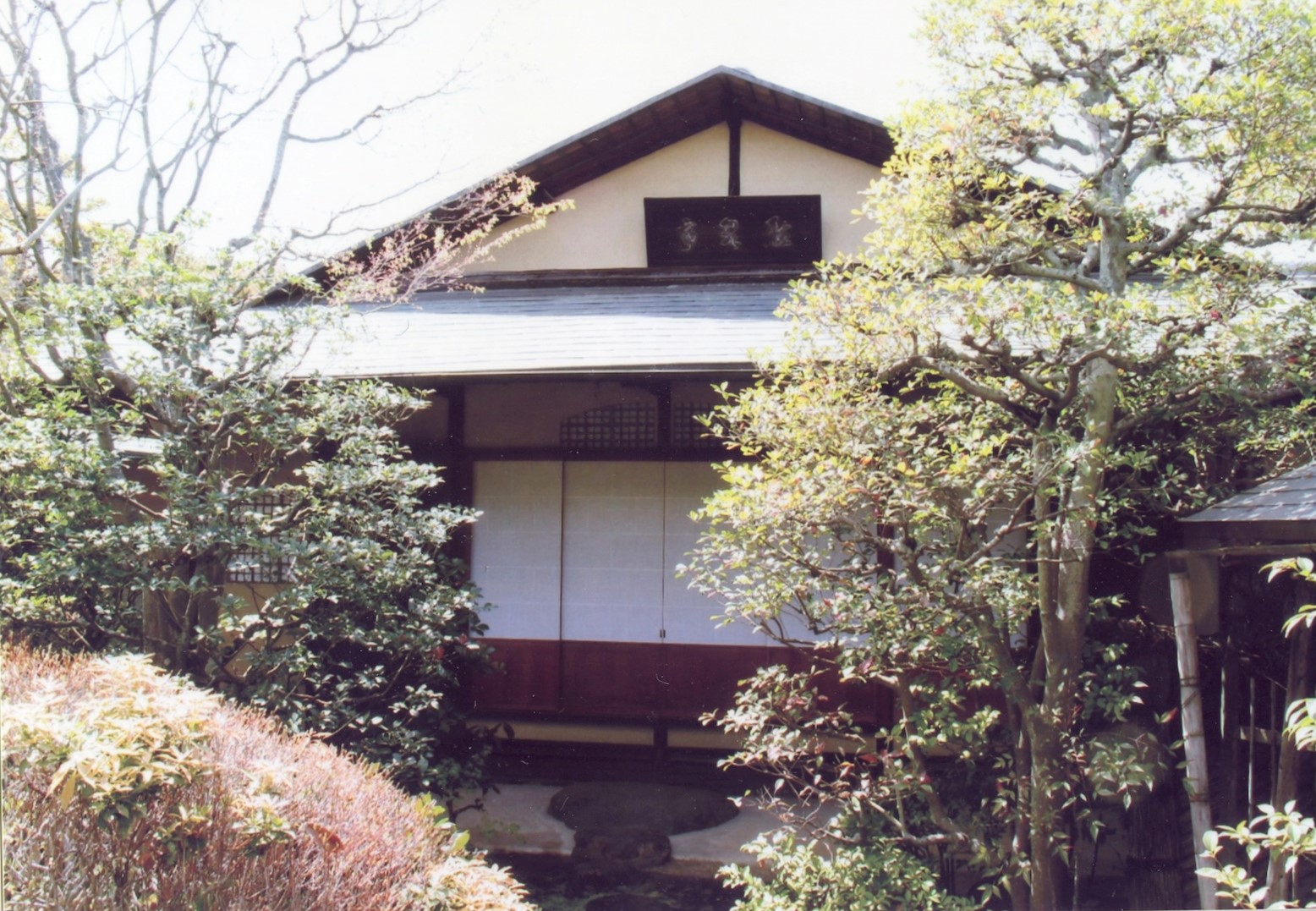
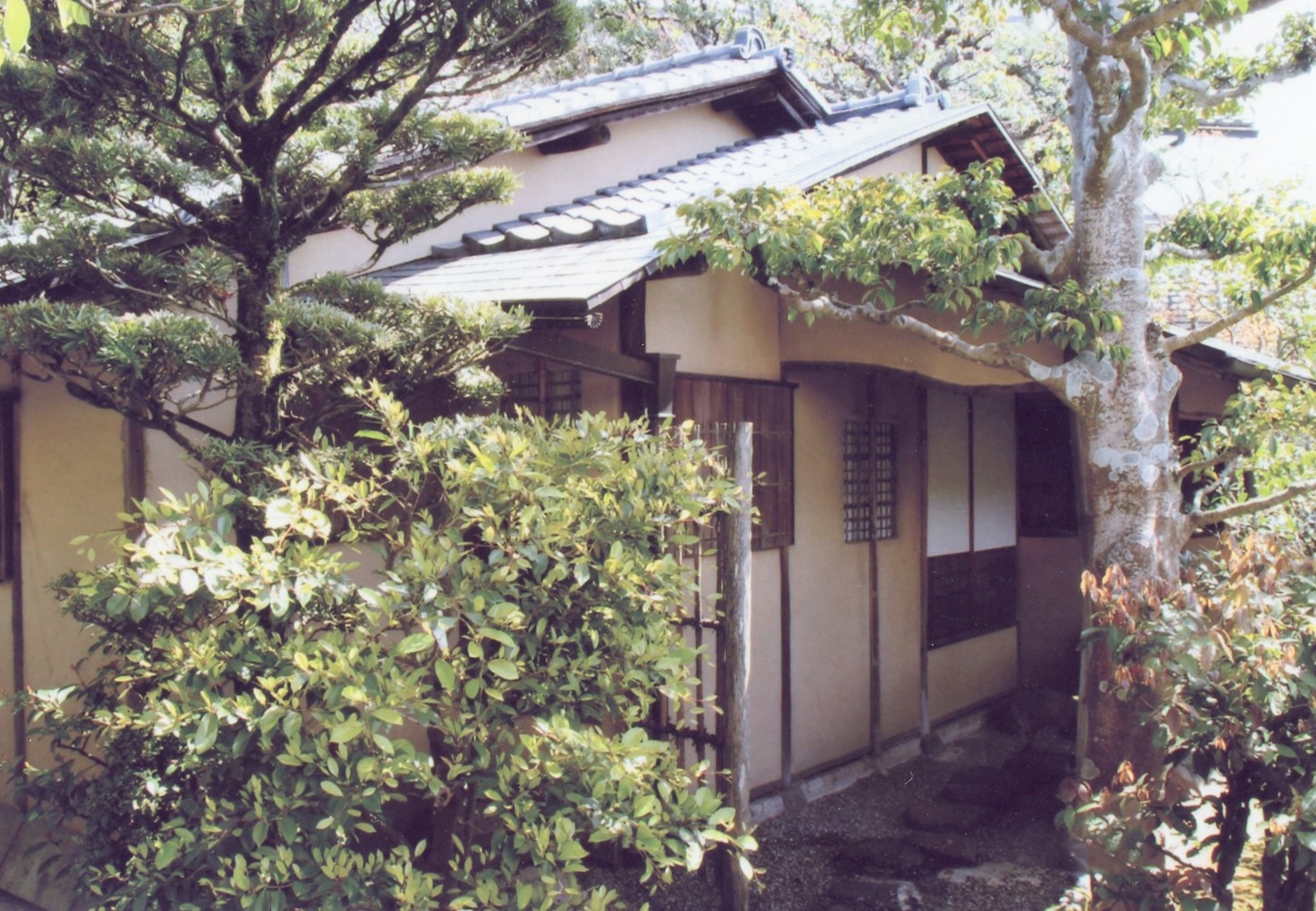
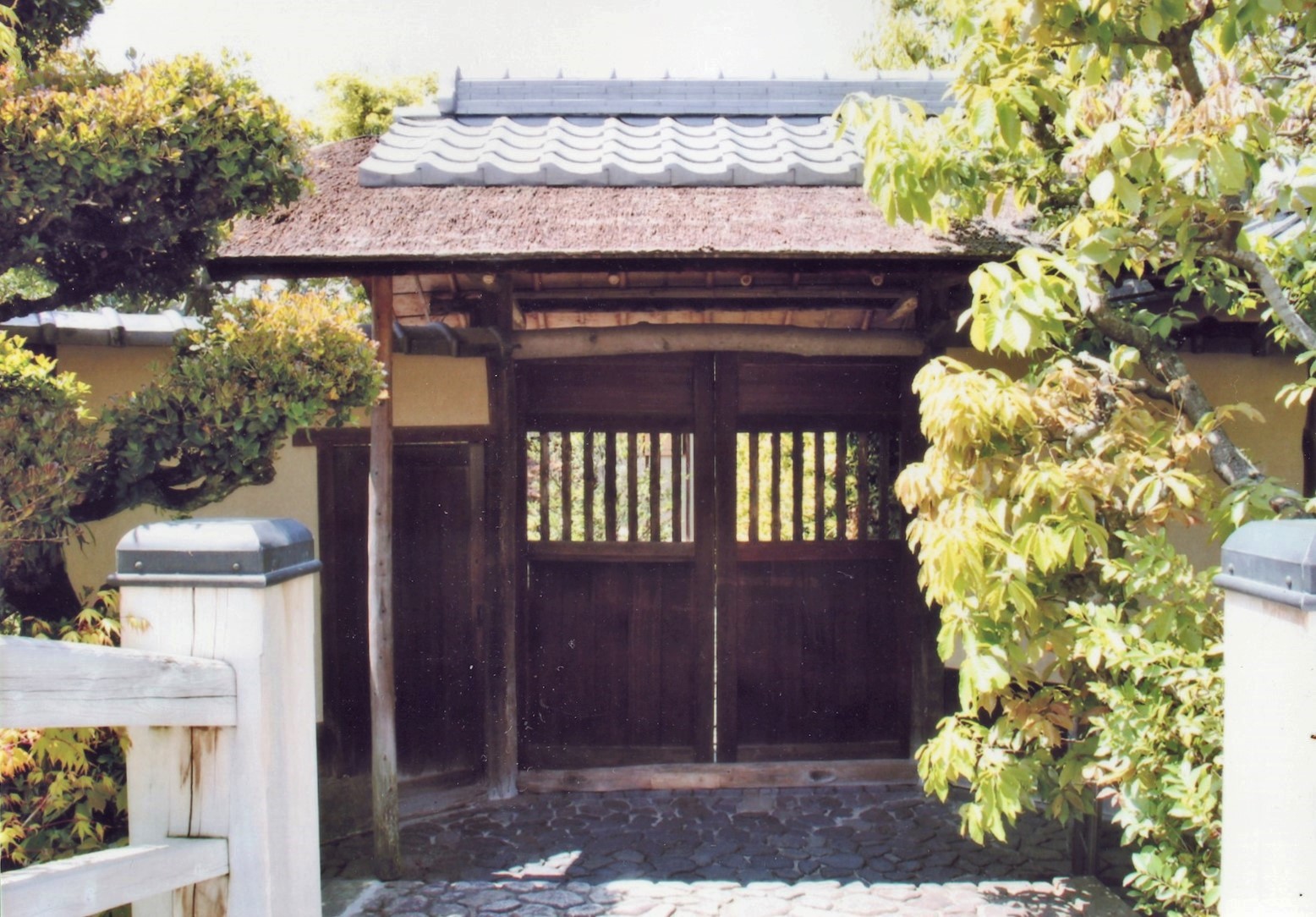
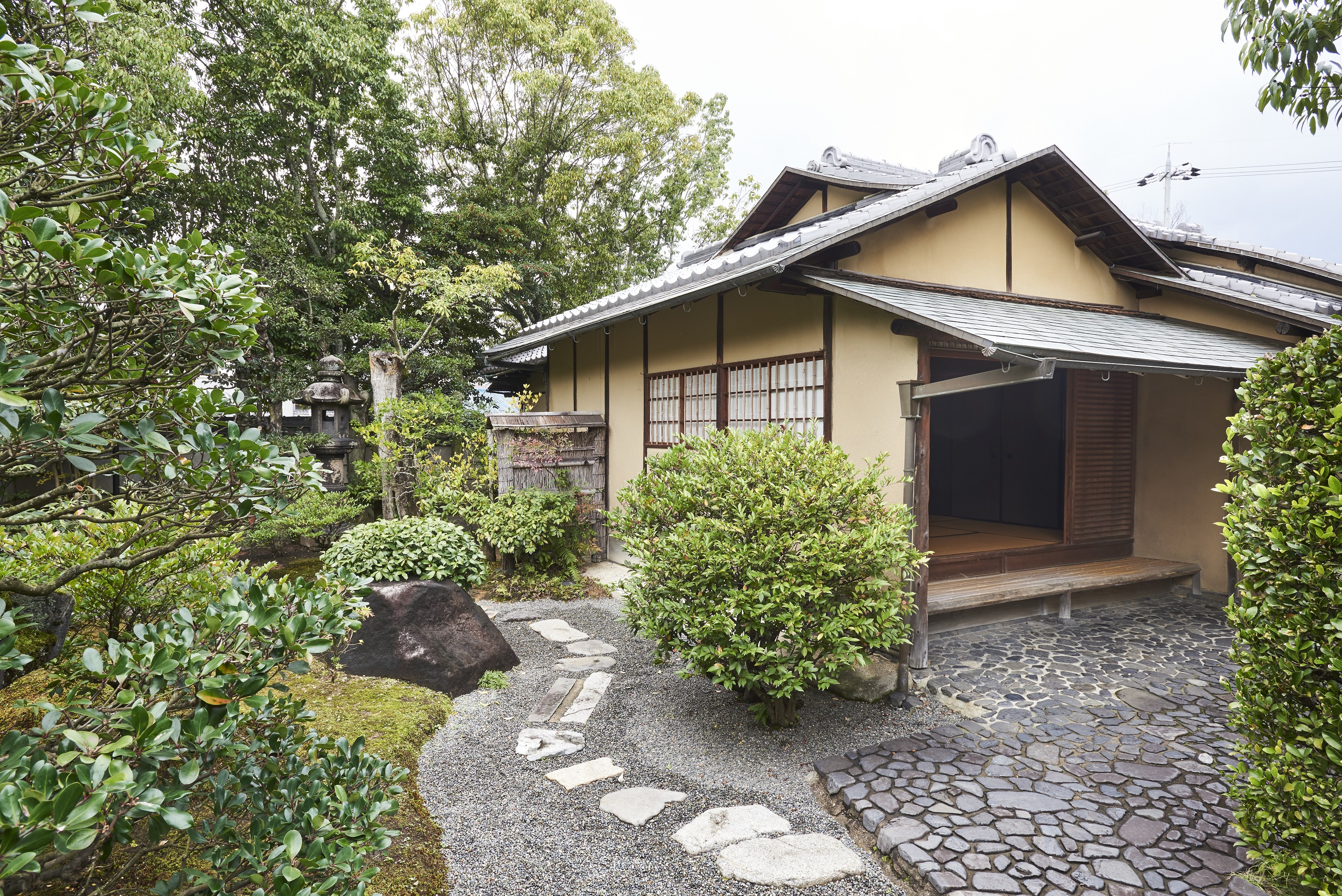
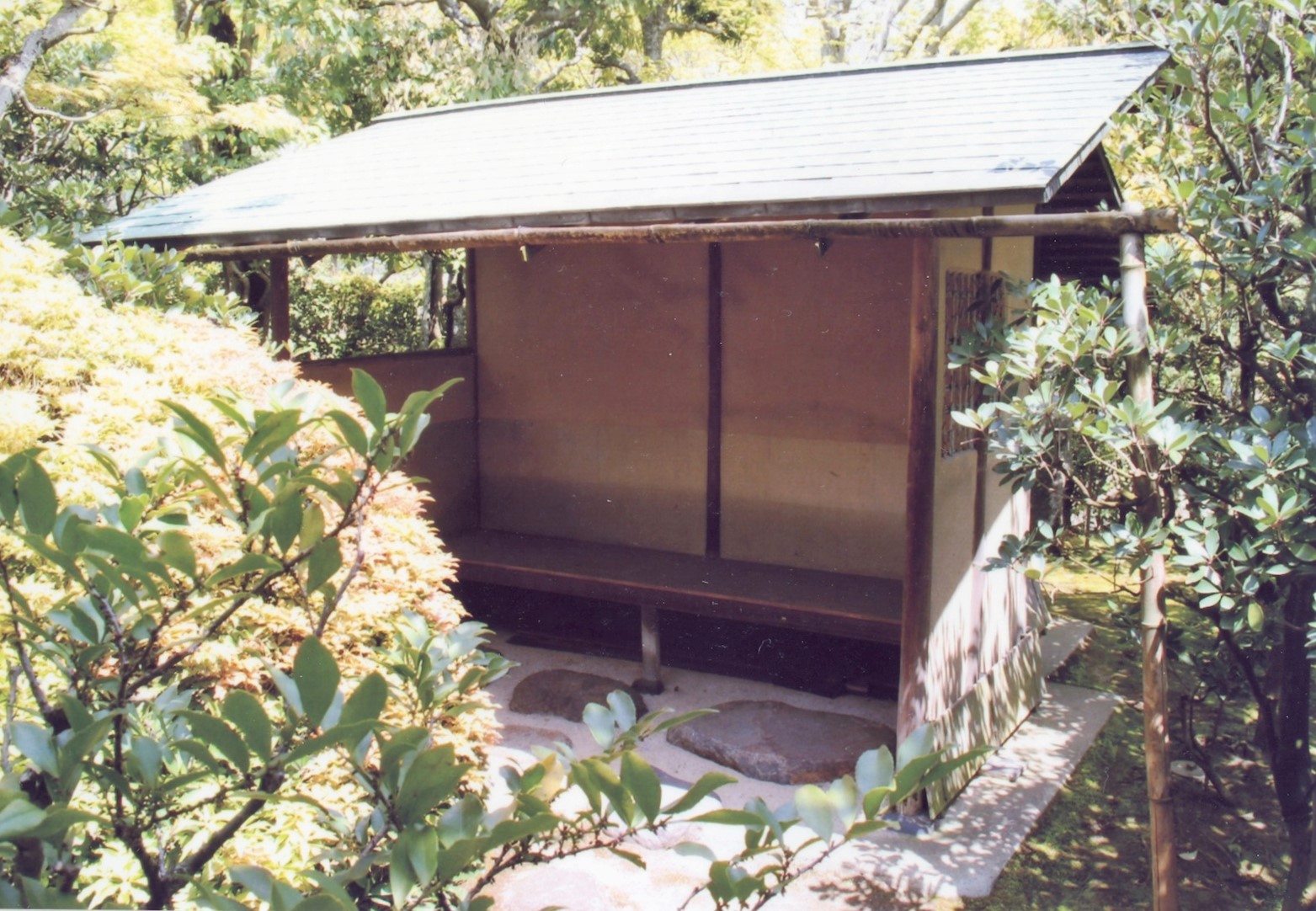
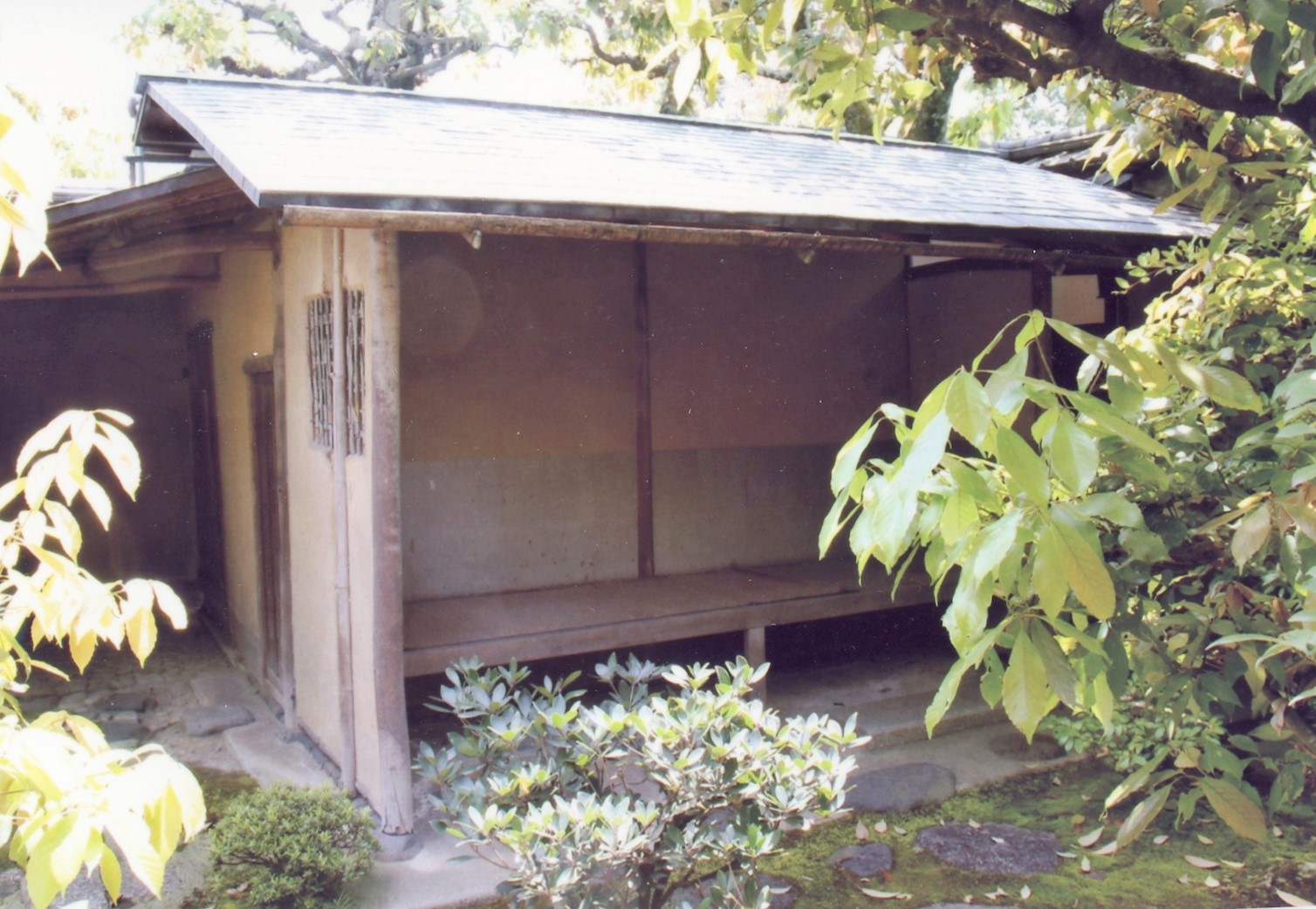
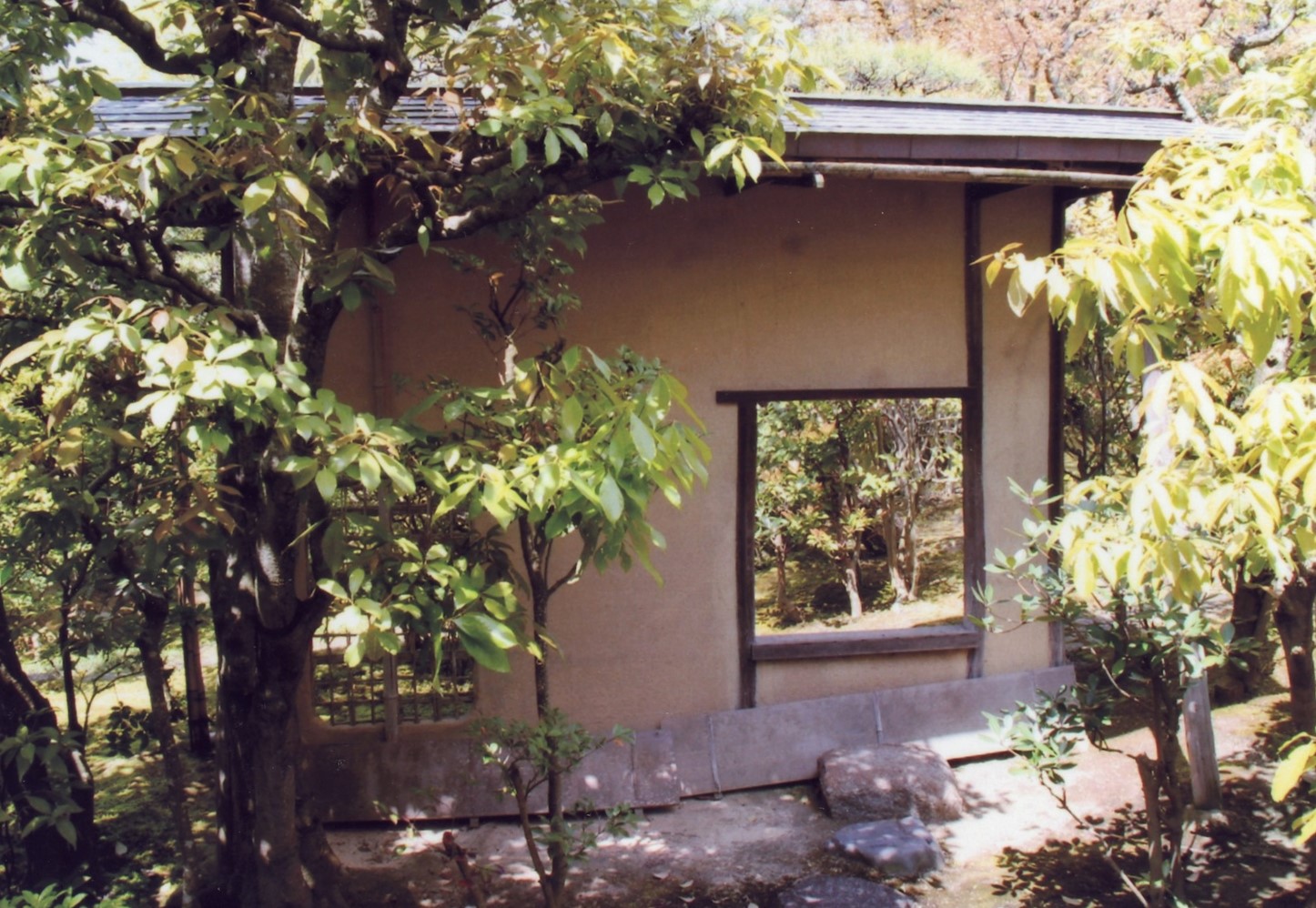
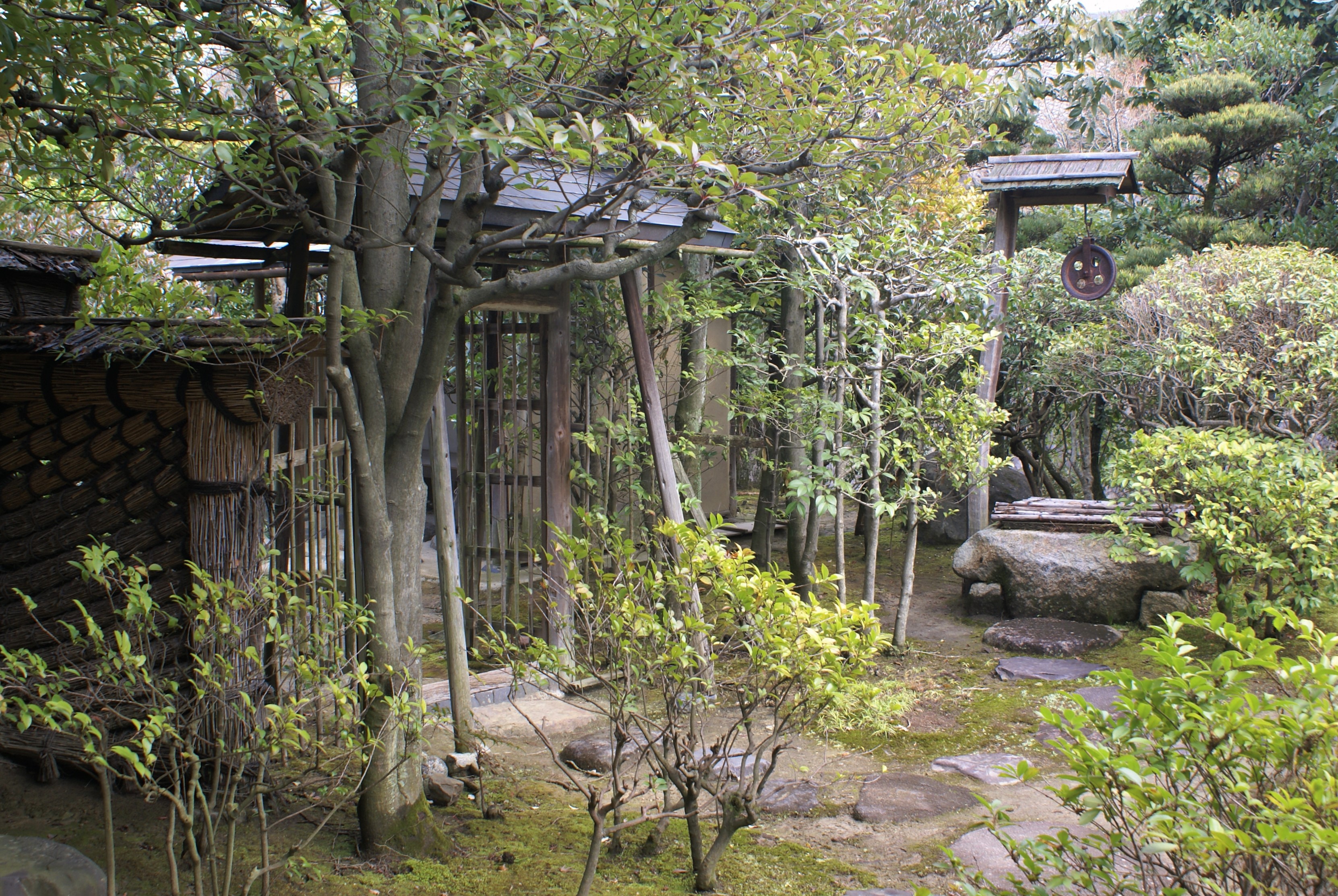
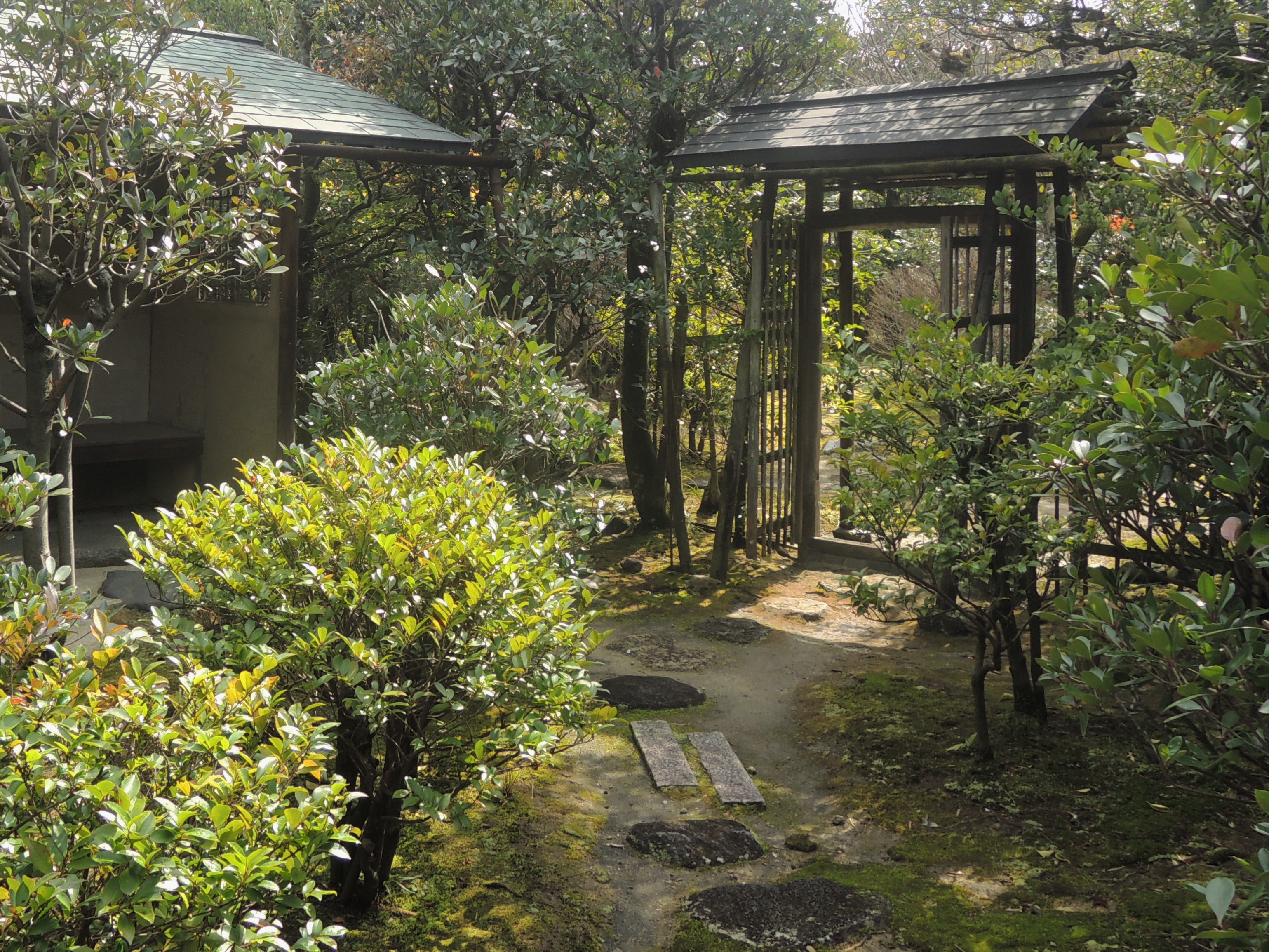

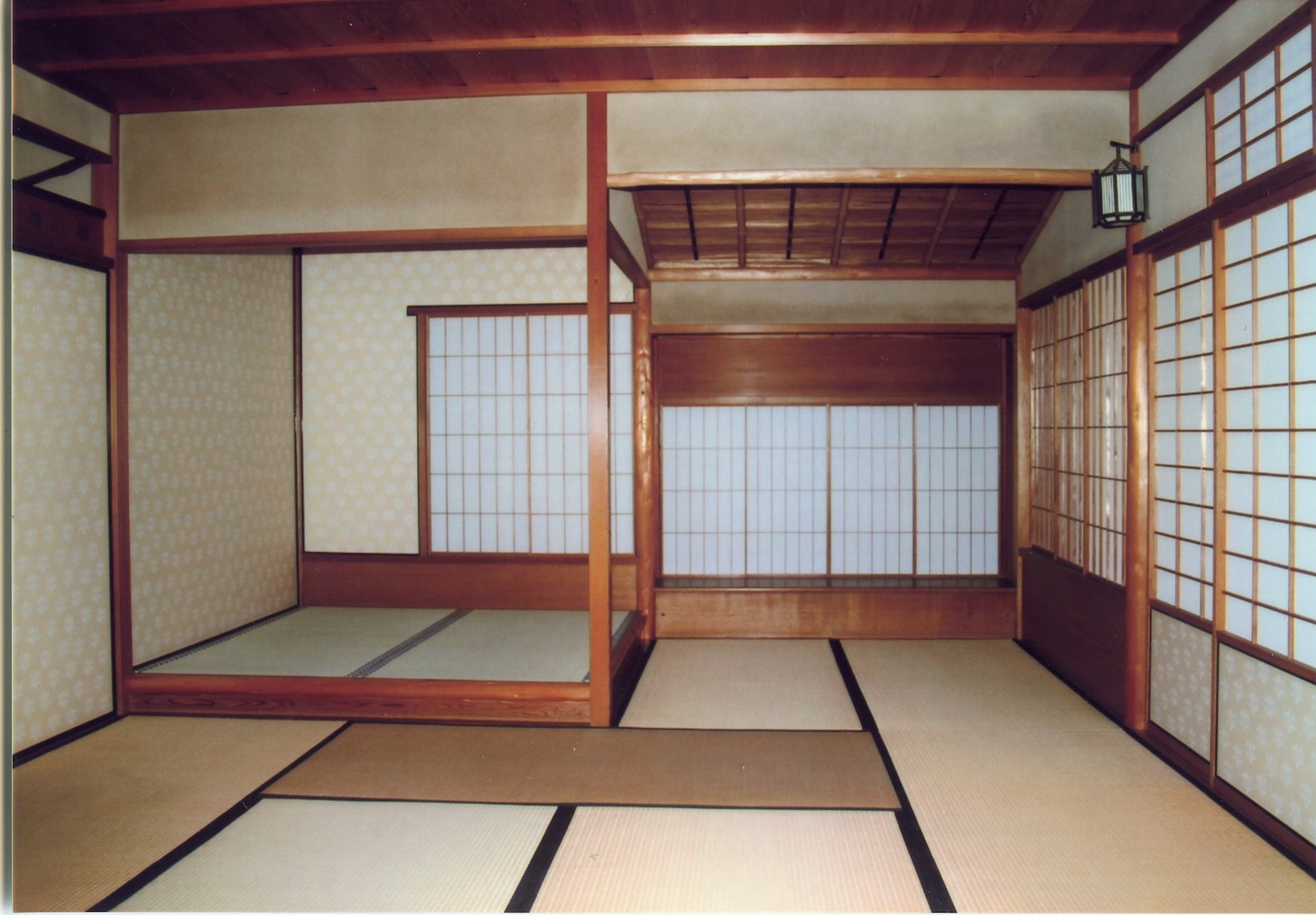
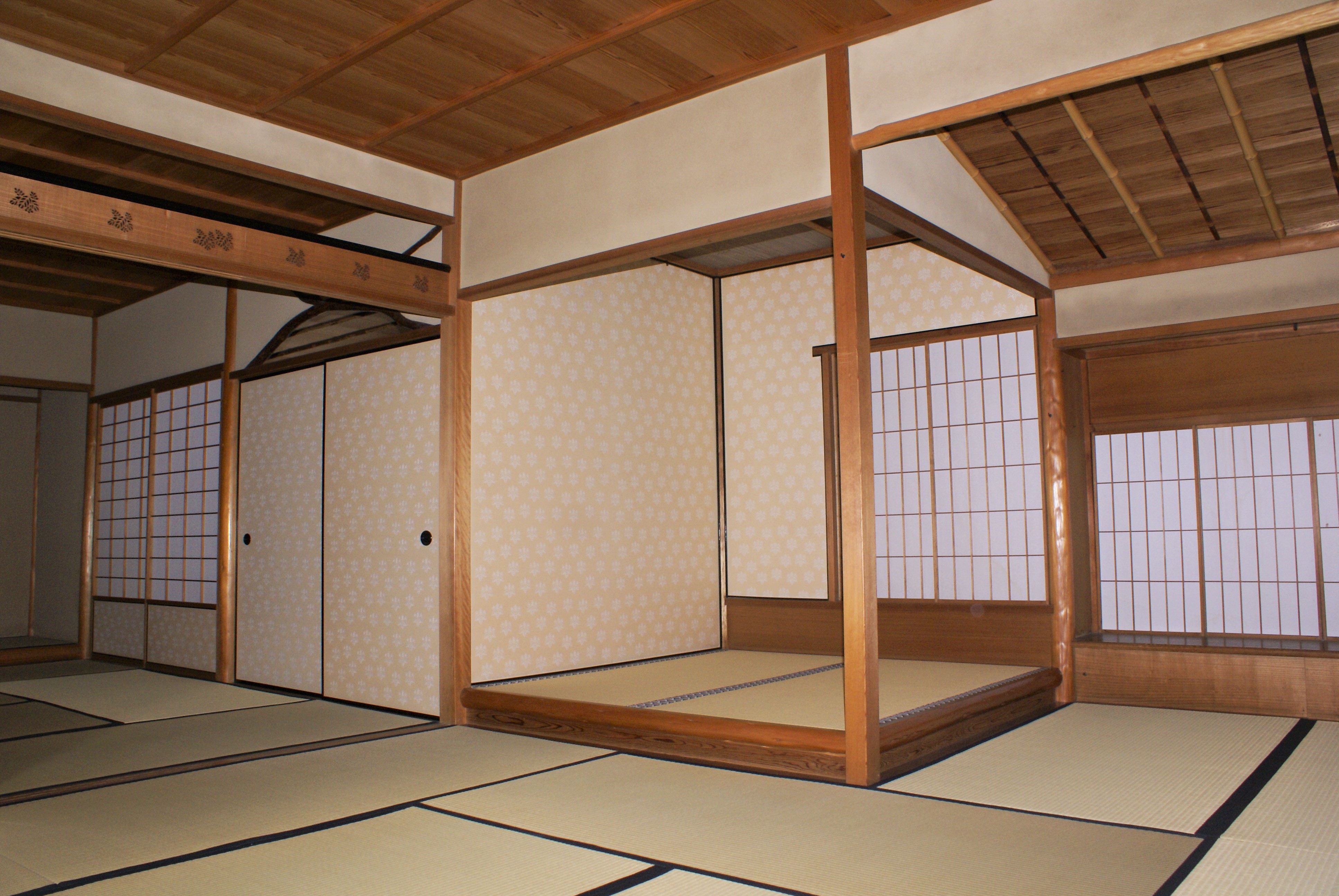
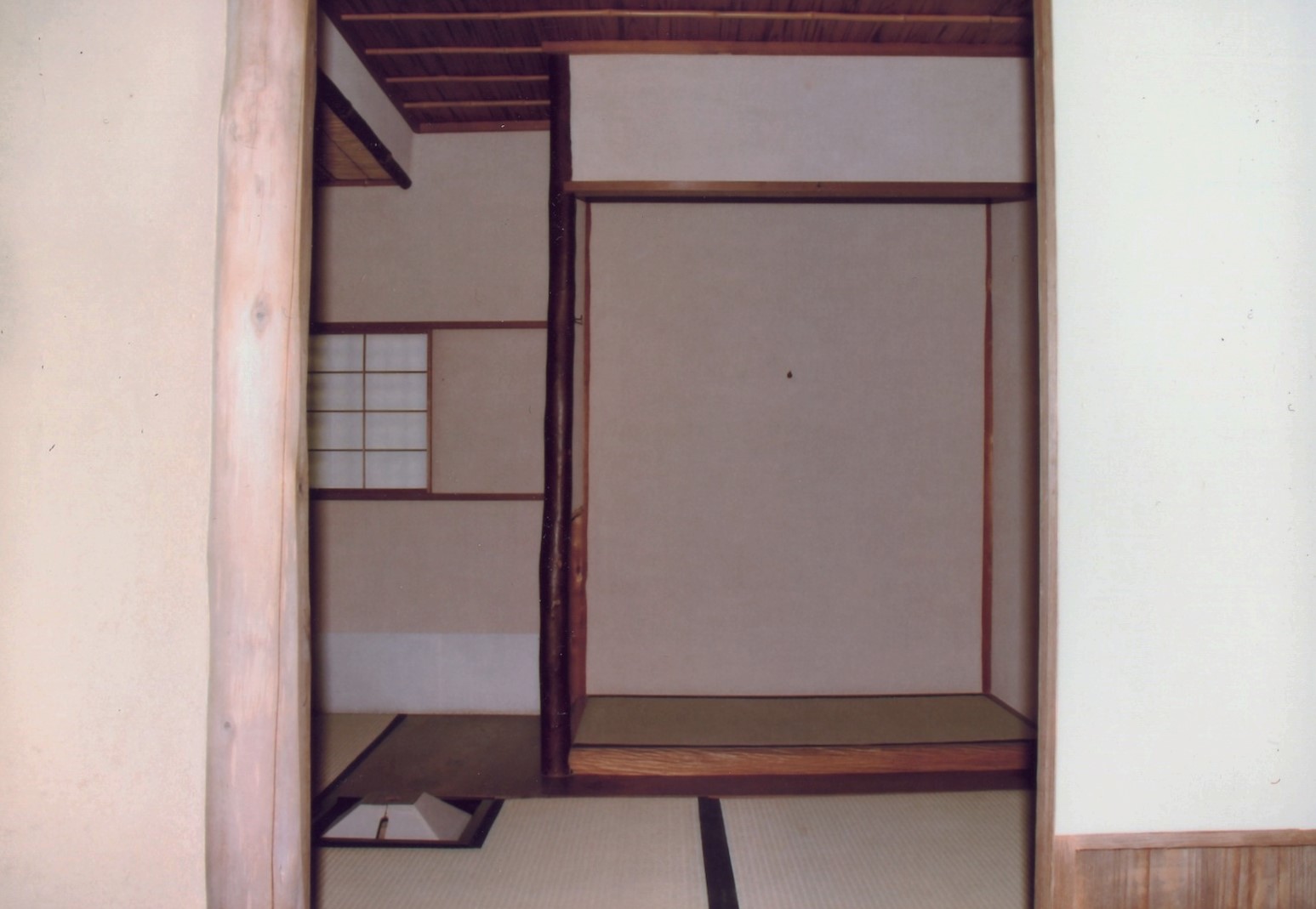

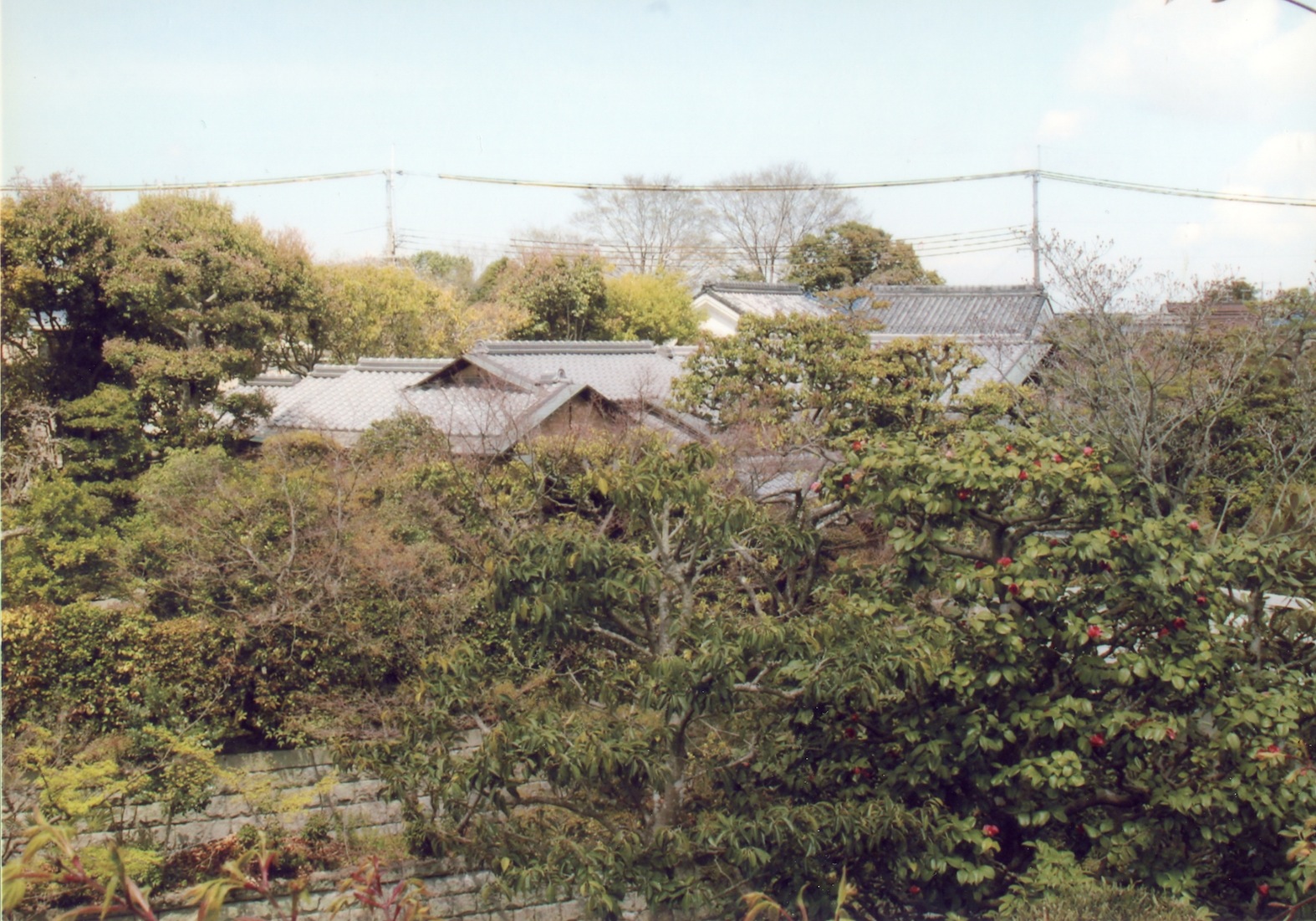
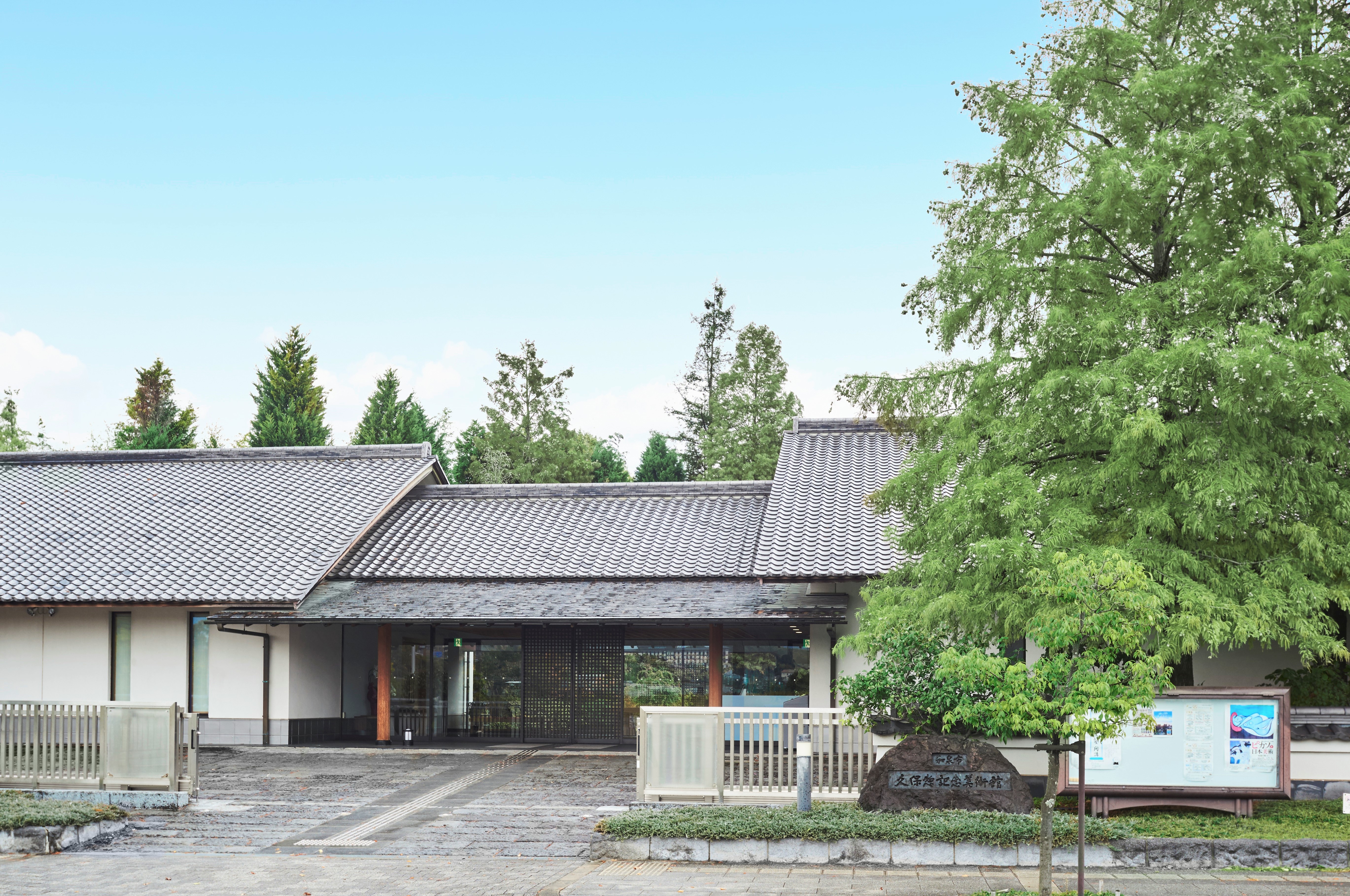
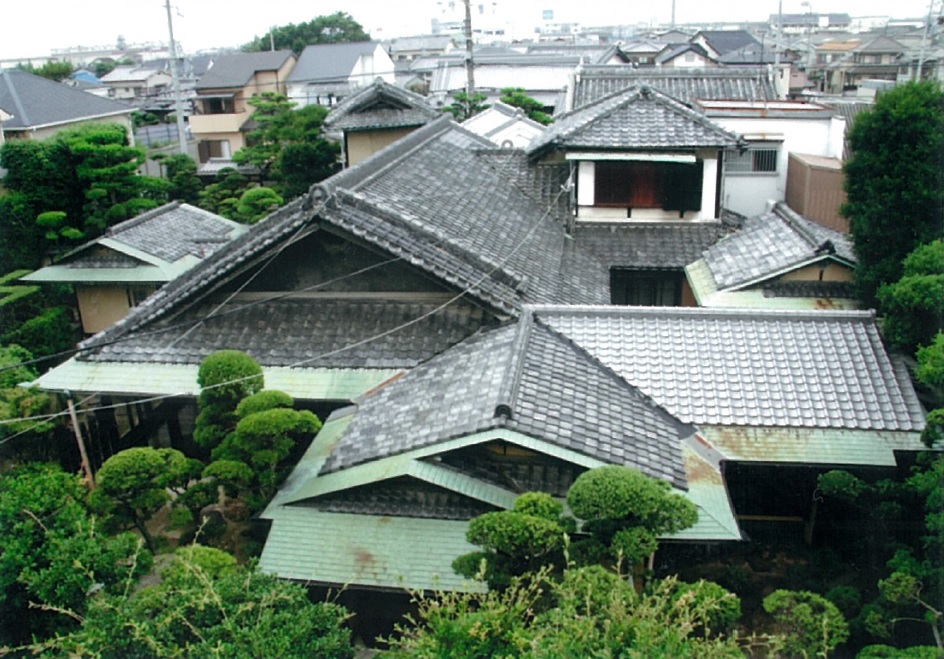
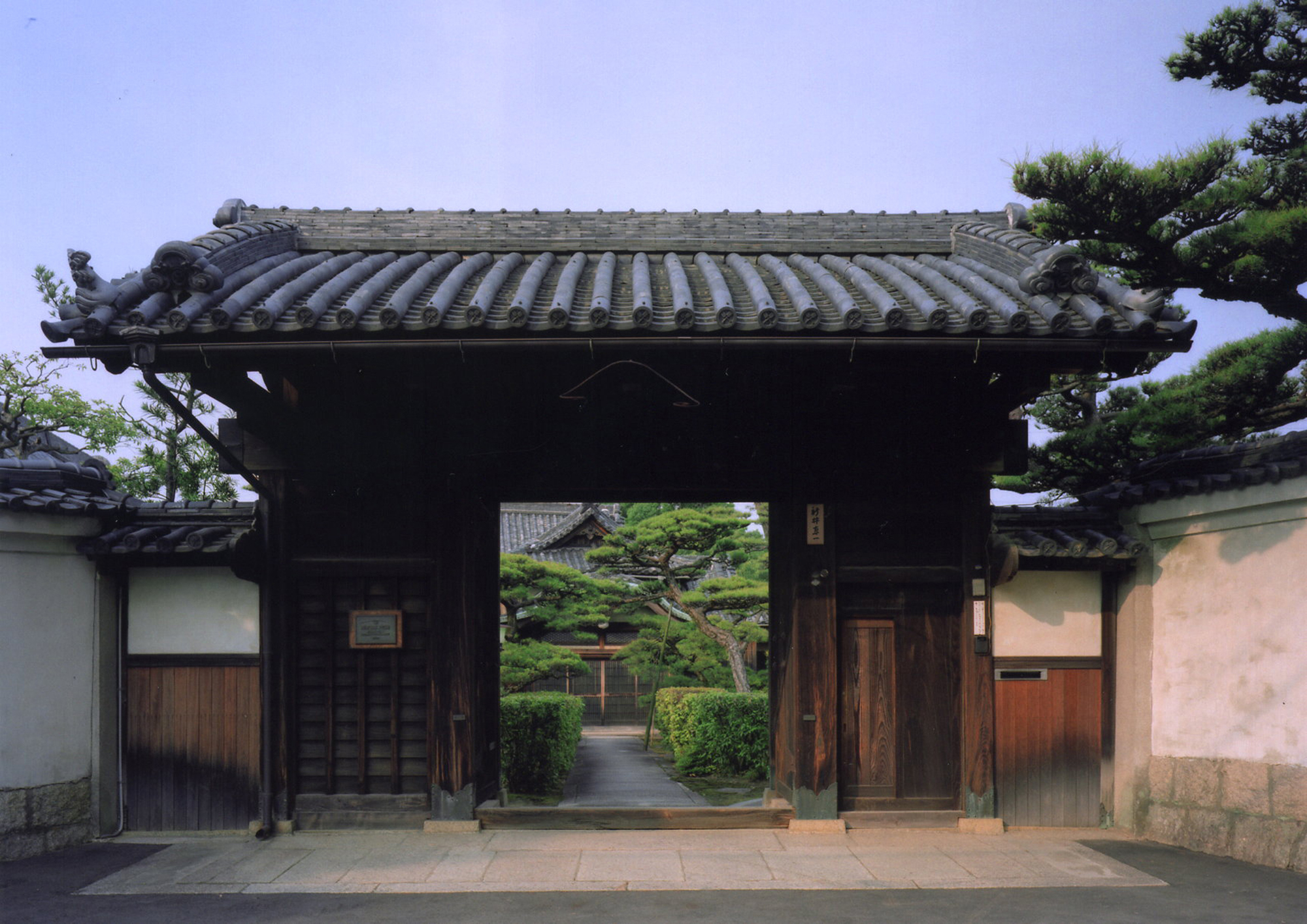
Name Kuboso Memorial Museum of Arts, Izumi Tea Ceremony Room Soan, Chosentei, Shoinan, etc. Address 6-12, 3-chome, Uchida-cho, Izumi City TEL/FAX 0725-54-0001 (TEL)/0725-54-1885(FAX) HP http://www.ikm-art.jp/ E-mail Architecture age 1937 Building type Residential buildings Construction Wooden building, sangawara-buki tiled roof, copper sheet roofing Outline explanation Kuboso was a cotton weaving company that was in operation for over 100 years, and flourished as one of the most successful corporations in the Senshu region. It was established by Sotaro Kubo (1863–1928) in 1886, who was then succeeded by Sotaro Kubo II (1889–1944), Tadakiyo Kubo (1900–1954), and Sotaro Kubo III (1926–1984). Throughout this extensive period, it was very active and played a major role in the development and prosperity of Izumi City. When the business closed in 1977, Sotaro Kubo III donated its art collection along with the museum building, the site it is located on, and generous funds to the city, to help with regional and cultural development. Thereafter, in October 1982, the museum was opened on the premises of the former residence of the Kubo family with the name taken from the name of the founder, Sotaro Kubo. In the garden next to the main building ,there are two tea ceremony rooms, named Soan (not open to the public) and Chosentei. Both were constructed by Sotaro Kubo II from 1937 to 1939, imitating the Omotesenke school’s tea rooms, Fushinan and Zangetsutei. These were donated to the museum by the city of Izumi together with the main building, and in 2006 the tea ceremony rooms were designated by the national government as registered tangible cultural properties (structures).
Cultural property type Registered Tangible Cultural Properties Event link open to the public closed note